Best Pressure Cleaning Techniques for Ballina Homes
Ballina’s coastal conditions make regular exterior cleaning worthwhile. Salt deposits, humid weather and shaded surfaces can contribute to grime, algae and mould around homes. The best approach is not simply higher pressure: it is matching the cleaning method to the surface, using suitable products and controlling runoff.
Choose the Right Method for Each Surface
Concrete Driveways and Paths
Sound, uncoated concrete generally tolerates pressure cleaning better than painted or timber surfaces. Sweep away loose debris, treat stains with a compatible cleaner and follow the product’s dwell-time instructions. Do not let the cleaner dry on the surface.
A rotary surface cleaner can produce a more even finish than a narrow spray nozzle on broad, flat areas. Start with a low-pressure test in an inconspicuous spot, keep the equipment moving and avoid concentrating the spray on cracks or damaged edges. New concrete requires adequate curing before pressure cleaning; follow the installer’s advice.
Painted Walls, Render and Cladding
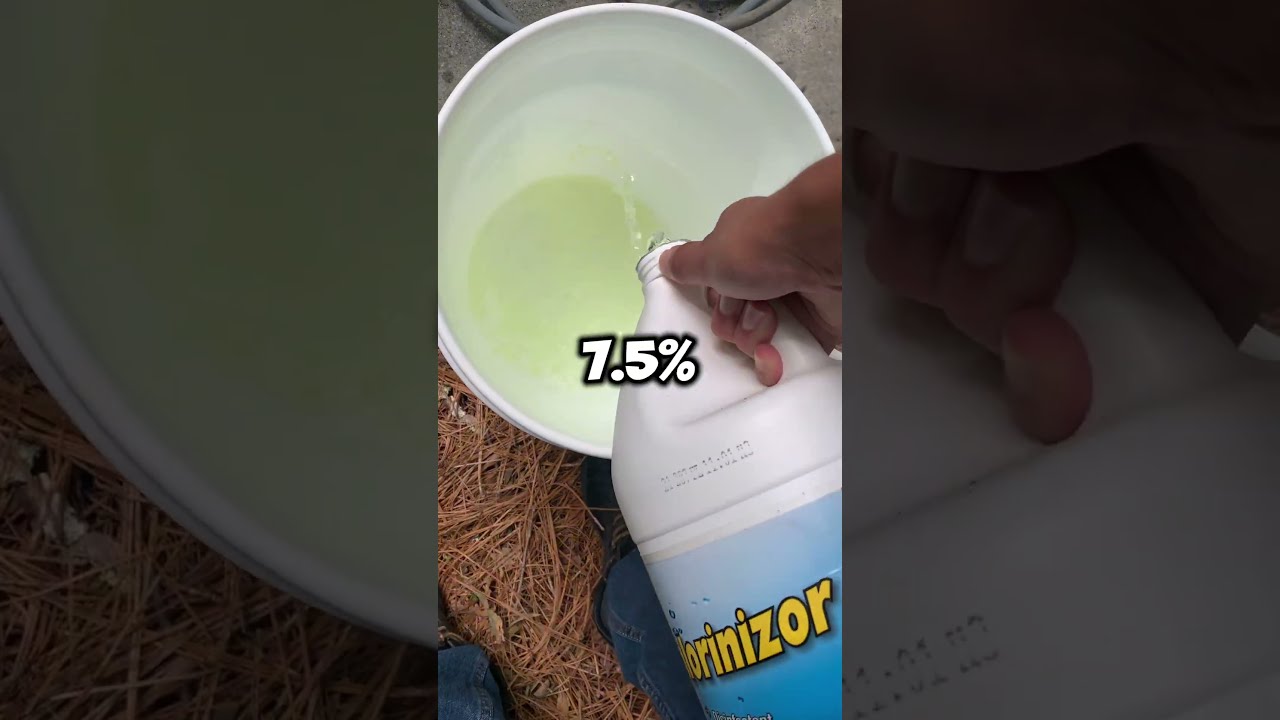
Low-pressure washing or soft washing is usually a better starting point for delicate exterior finishes. A compatible cleaning solution loosens contamination before a gentle rinse. Check the coating or cladding manufacturer’s instructions first, and avoid spraying upward beneath weatherboards, into vents or around window seals.
Pressure washing can strip failing paint and force water into wall cavities. Have peeling coatings assessed before cleaning, especially where older paint may contain lead.
Timber Decks and Pavers
Use a timber-specific cleaner and gentle rinsing for decks. Excessive pressure can raise the grain, splinter boards and damage protective coatings. If pressure cleaning is permitted by the timber supplier, use a broad fan pattern and work along the grain.
For pavers, avoid blasting jointing sand from between units. Check joints after cleaning and replenish them with a suitable product where necessary. Test natural stone carefully because some cleaners can etch or discolour it.
Follow a Safe, Effective Cleaning Process
- Inspect first: Identify loose paint, cracked render, damaged grout, exposed wiring and possible asbestos-containing materials.
- Prepare the area: Move furniture, close windows and protect sensitive plants and electrical fittings from spray.
- Test before proceeding: Begin with the gentlest effective method and follow equipment and surface-care instructions.
- Clean in manageable sections: Maintain a consistent distance and overlapping passes to reduce streaking.
- Rinse and inspect: Remove cleaning residue without flooding joints, then let surfaces dry before assessing the result.
Wear eye protection, enclosed non-slip footwear and any additional protective equipment specified for the cleaner. Never direct a pressure jet at people or pets, and do not operate pressure-cleaning equipment from a ladder.
Manage Coastal Grime Without Damaging Your Home
Fresh-water rinsing can help remove salt deposits from suitable exposed surfaces between deeper cleans. Shaded paths and areas near dense planting may need more frequent attention because they stay damp longer. Improve drainage, clear gutters safely and trim vegetation where appropriate to reduce conditions that encourage regrowth.
Schedule cleaning for mild conditions where possible. Hot surfaces can dry cleaning solutions too quickly, while strong coastal winds can carry spray onto neighbouring properties, plants or vehicles.
Protect Ballina’s Drains and Waterways
Plan where wash water will go before starting. Do not allow detergent, sediment, oil or contaminated wash water to enter stormwater drains. Use appropriate containment and collection methods, and check Ballina Shire Council guidance for suitable disposal options and any current water restrictions.
Choose cleaners for the specific surface and contamination, follow label directions and never mix chemicals. A product labelled biodegradable is not automatically safe to discharge into drains or waterways.
When to Use a Professional
Engage a suitably insured cleaner for roof work, multi-storey exteriors, fragile coatings or jobs requiring wastewater recovery. Never pressure clean asbestos-containing materials. If older roofing or cladding may contain asbestos, arrange identification before any cleaning begins.
Ask your Ballina pressure-cleaning provider how they select pressure settings, protect surrounding surfaces and manage runoff. A careful, surface-specific approach delivers a cleaner finish while reducing https://sethsxlh666.greyhavendaily.com/posts/high-pressure-vs-low-pressure-choosing-the-right-psi the risk of costly damage.
Ballina Pressure Cleaning
0440 133 837